
Dental Implants in Alfredton
- Home
- /
- Cosmetic Dentistry
- /
- Teeth Whitening
Dental Implants in Alfredton
A missing tooth leaves more than a gap in your smile. It can change the way you bite, put more work onto the teeth around it and make eating certain foods less comfortable. A dental implant replaces the missing tooth from the root up, using an implant placed in the jaw to support a replacement tooth.
At Smile Studio Ballarat, we’ll look at the condition of the area, your surrounding teeth and gums, and the bone available for an implant. Dental imaging may also be needed to assess the bone and nearby structures and help plan the position of the implant. Once we have that information, we’ll talk through whether implant treatment is suitable and what it would involve.
Call (03) 5337 6453 to arrange an appointment for dental implants in Alfredton, or book online.
Dental Implants in Alfredton
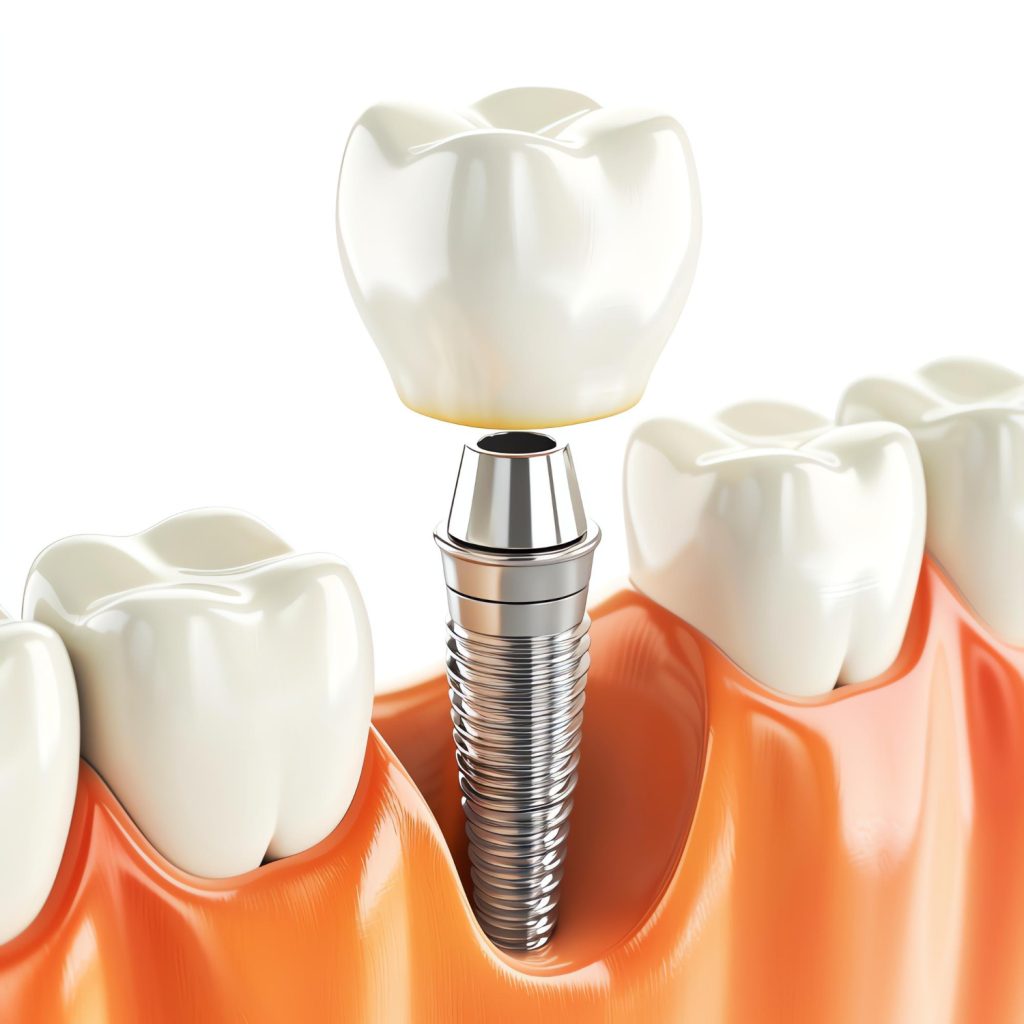
A Replacement Tooth with Its Own Support
A dental implant sits within the jawbone and acts as the foundation for a replacement tooth. For a single missing tooth, this is usually an implant-supported crown, attached to the implant with an abutment.
One advantage of this approach is that the neighbouring teeth don’t need to be used as supports for a bridge. Where several teeth are missing, implants can also support a larger restoration, with the arrangement planned around the teeth that remain and the way your bite comes together.
Implant treatment at Smile Studio Ballarat is led by Dr Vandana Budhwar (dentist), who holds a Graduate Diploma in Clinical Dentistry (Implants) from the University of Melbourne.
She has placed over 10,000 dental implants and completed more than 1,000 All On 4 Plus® full-arch cases, and she teaches implant dentistry to other dentists.
You’ll meet Dr Budhwar at your consultation, where she’ll assess your needs, discuss the available options and plan your treatment with you.
What We Look At Before Treatment
The space left by a missing tooth tells us only part of the story. We also need to consider the bone beneath it, the health of the gums and the condition of the teeth around the area.
Dental imaging can show us the shape and amount of available bone and the position of nearby structures. If the site needs preparation before an implant can be placed, we’ll explain why and what that additional treatment means for the overall process.
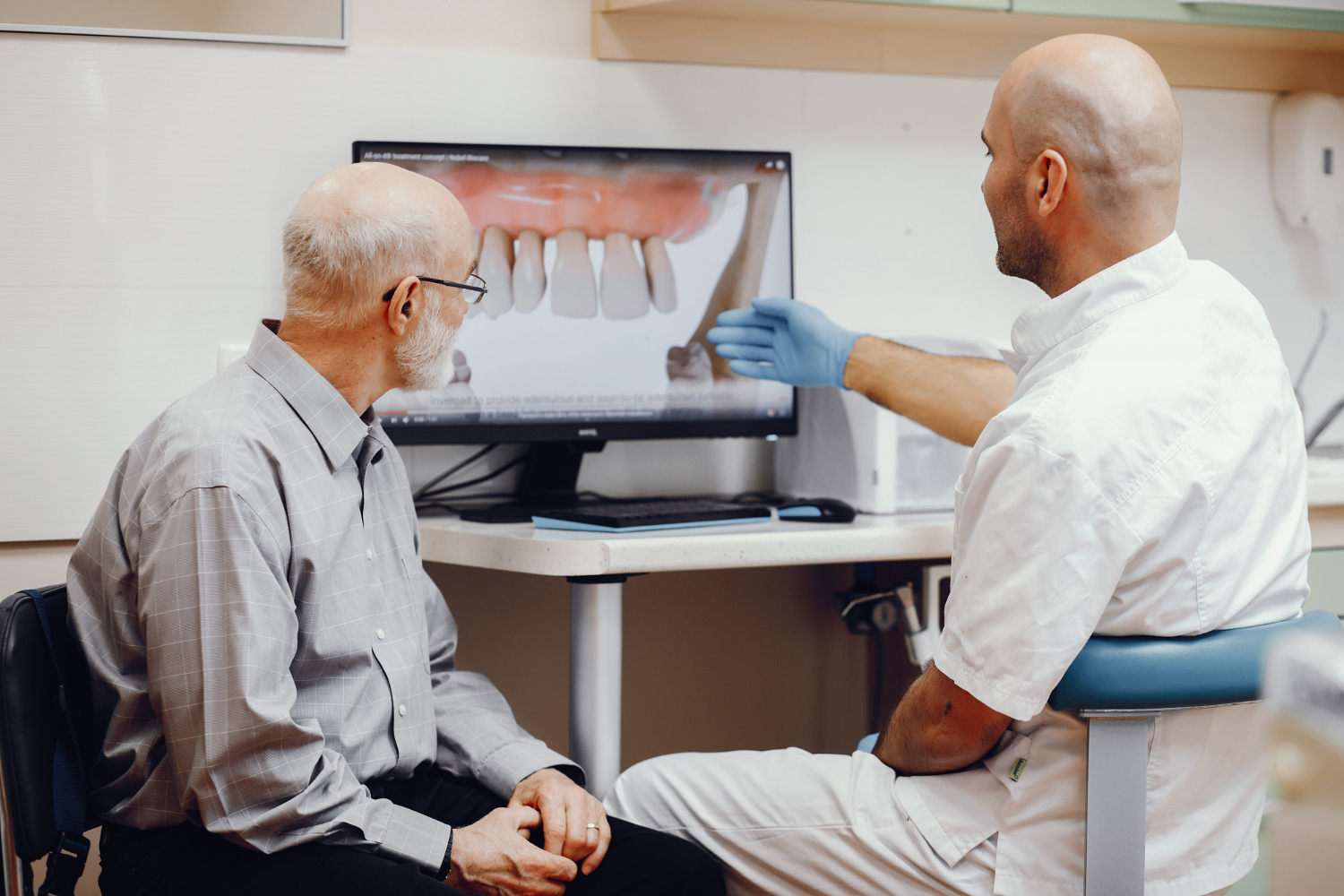
Comparing Your Options for Replacing a Missing Tooth
An implant is one way to replace a missing tooth, but it isn’t the only option. Each approach has its own process and practical considerations, and what may suit you depends on the tooth being replaced, the health of the surrounding teeth and gums, your bite and your circumstances.
| Option | How it works | Treatment and healing | Things to consider |
|---|---|---|---|
| Dental implant | Replaces the missing tooth from the root up, with an implant in the jaw supporting a replacement tooth. | Involves surgery and a period of healing before the final tooth is fitted, so treatment takes place over several months. | Doesn’t rely on the neighbouring teeth for support. The upfront cost is generally higher than a bridge or partial denture. |
| Bridge | A fixed replacement tooth supported by the teeth on either side of the gap. | Usually completed over a shorter period than implant treatment. | The supporting teeth need to be prepared to accommodate the bridge. |
| Partial denture | A removable appliance that can replace one or several missing teeth. | Doesn’t require implant surgery. The denture is removed for cleaning and may take some time to get used to. | Removable rather than fixed, and some people need time to adjust to wearing it. |
| Leaving the gap | No replacement is placed, where this is considered an appropriate option. | No treatment or healing period is involved. | Depending on where the tooth was located, the surrounding teeth may move and the bone in the area can shrink over time. |
We’ll talk you through the options available for your particular situation, including what each involves, the expected timeframe and the associated costs. That way, you can make your decision with a clear understanding of what you’re choosing.
When the Implant Site Needs More Preparation
Bone can shrink after a tooth is lost, particularly when the tooth has been missing for some time. If there isn’t enough bone to support an implant in the planned position, additional treatment may be needed first.
Bone grafting is one possible approach, although it isn’t necessary for everyone. If preparation is required in your case, we’ll explain what it involves and how it changes the timing of your implant treatment.
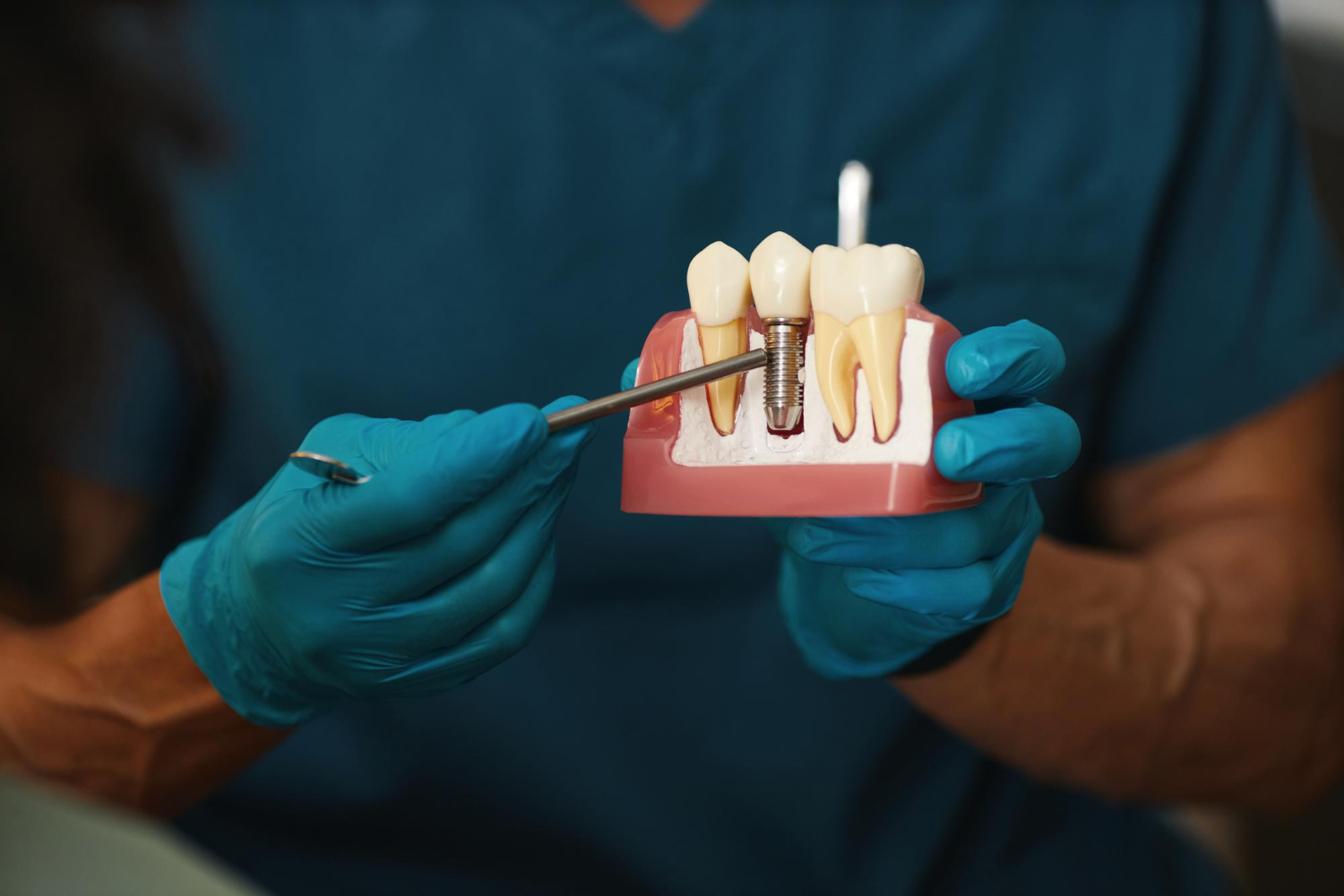
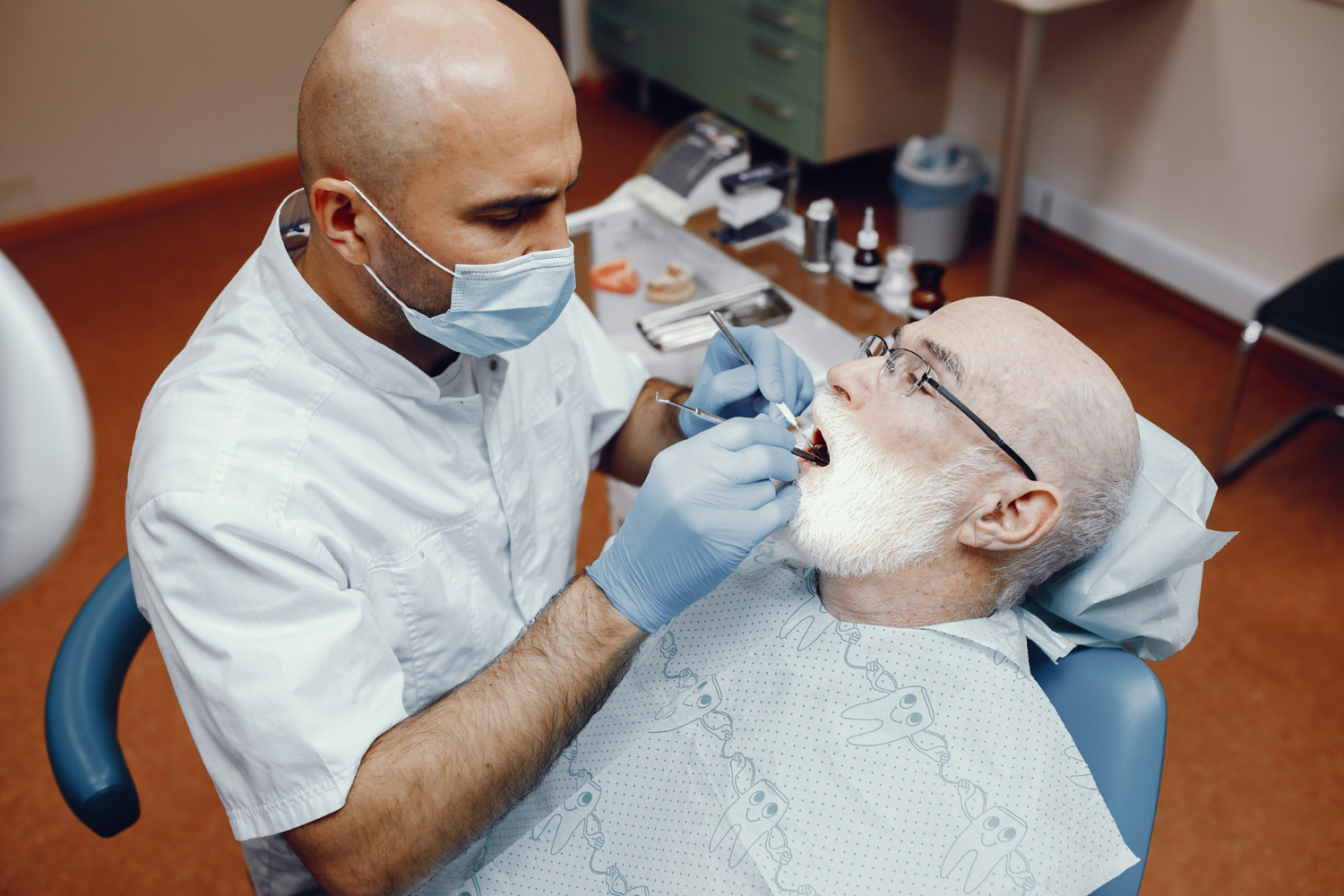
Replacing One Tooth
For a single missing tooth, an implant-supported crown can restore the gap without preparing the neighbouring teeth to support a bridge.
The position of the missing tooth matters, particularly where appearance and bite are important considerations. We’ll plan the implant and final crown together so the replacement fits appropriately within the surrounding teeth.
How Long Does Implant Treatment Take?
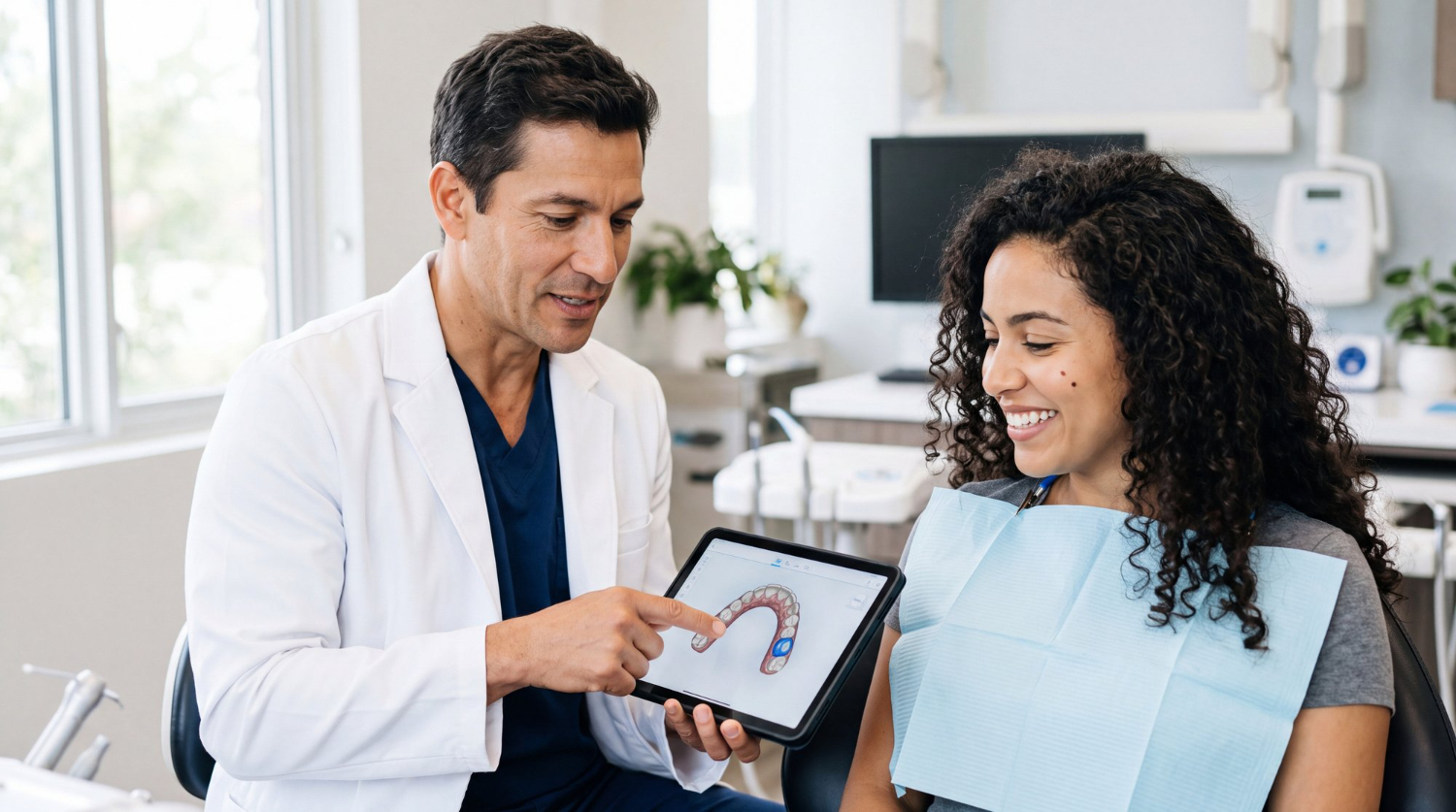
- Consultation and planning We’ll examine the area, take the necessary dental imaging and talk through your options, including the treatment involved and the associated costs. This is your opportunity to ask questions and decide whether implant treatment is right for you.
- Placing the implant The implant is placed into the jaw at the planned site. We then allow time for the area to heal and for the implant to bond with the surrounding bone.
- Impressions after around three months Once the implant has healed sufficiently, we’ll take the impressions and other records needed to make your replacement tooth.
- Fitting your new tooth Around three to four weeks after the impressions, your final crown can usually be fitted to the implant.
Replacing Several Teeth
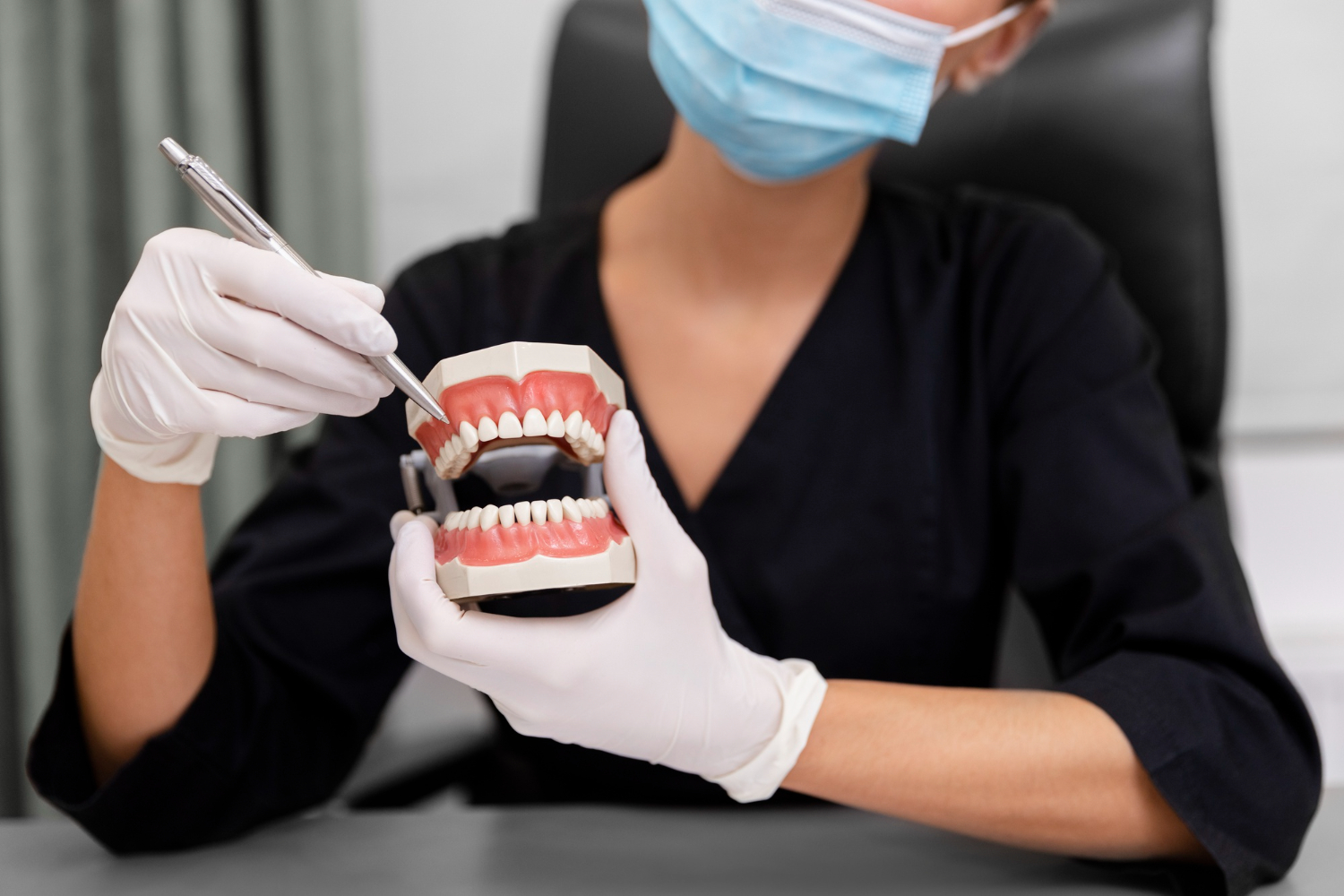
Implants can also support a restoration when several teeth are missing. Depending on the number and position of the missing teeth, they may support implant-supported bridges, implant-supported dentures or full-arch restorations such as All-On-4 Plus®. You don’t necessarily need one implant for every missing tooth; the number and position will depend on the gaps, the available bone and the type of restoration being planned.
Your remaining teeth and existing bite form part of that decision. We’ll consider the whole area rather than treating each missing tooth as an isolated space.
Keeping Your Implant Healthy
An implant cannot develop tooth decay, but the tissues around it still need to stay healthy. Plaque around the gum can cause inflammation, while the replacement tooth can wear or become damaged over time.
Daily cleaning and regular dental examinations help protect the area and allow us to check the implant and restoration as part of your ongoing care. We’ll show you how to clean around the implant once treatment is complete.
What to Consider Before Going Ahead
Dental implants have been used for many years and, with good care, can remain in place for a long time. Even so, an implant is a surgical treatment, so it’s worth understanding what recovery can be like and what factors may affect your treatment before you decide to go ahead.
Some swelling or tenderness is quite normal in the first few days after treatment. Less commonly, an implant may not bond with the surrounding bone as expected and may need to be removed and replaced. The gum around an implant can also become inflamed and may need further care.
There are also a few things that can influence how the area heals. Smoking, diabetes and untreated gum disease can affect healing, for example, so we’ll talk through anything in your dental or medical history that may be relevant. We’ll also look closely at the position of the implant, particularly where nerves or the sinuses are nearby.
None of this is meant to make implant treatment sound more complicated than it needs to be. It’s simply about making sure you know what is involved, including the possible risks, before you make a decision. We’ll talk you through these considerations at your consultation and answer any questions you have along the way.
Understanding the Cost
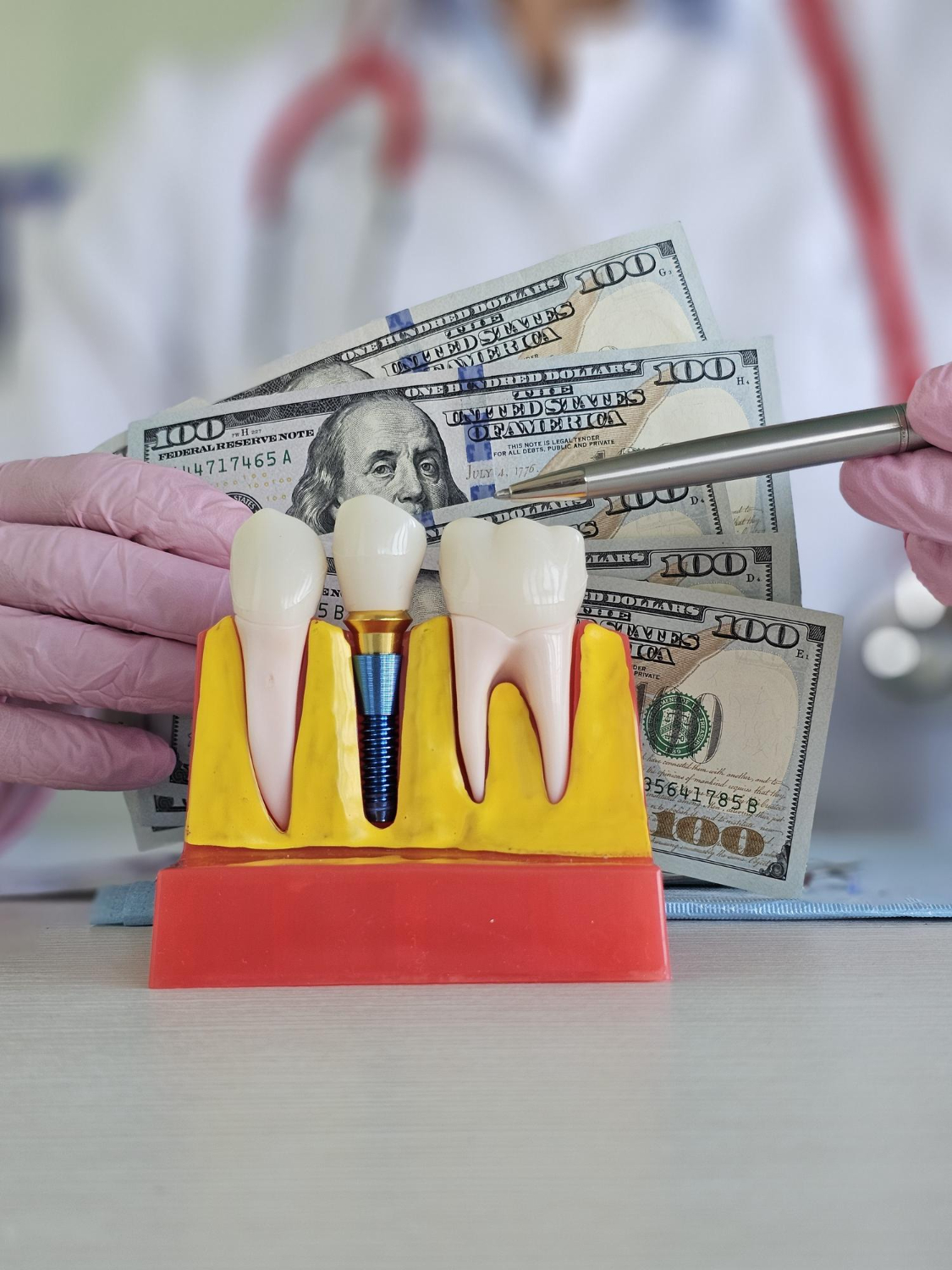
Implant treatment can involve several separate stages, so the overall fee depends on what your treatment requires. Costs may include:
- Implant placement
- Preparation of the implant site, if required
- The abutment and final restoration
- Appointments associated with the treatment
We’ll provide a written treatment plan outlining the proposed treatment and associated fees after your consultation, so you can review the costs before deciding whether to proceed.


Using Your Private Health Insurance
If you have extras cover, your written treatment plan will include the relevant item numbers for the treatment we’ve recommended. You’re welcome to check these with your health fund before going ahead, and our team can help you work through the information. Every policy is different, so your health fund is the best place to confirm exactly what benefits are available under your cover.
Dental Implants in Alfredton and Ballarat
Smile Studio Ballarat welcomes patients from Alfredton, Delacombe, Lucas, Wendouree, Sebastopol, Winter Valley, Buninyong, Mount Clear and Smythes Creek. Patients can discuss their implant options, complete treatment and return for follow-up care at the same local practice.

Considering a Dental Implant?
If you’re replacing a missing tooth, we’d be happy to discuss whether an implant is right for you. Your consultation will give us a chance to examine the area, answer your questions and explain what treatment would involve, including any preparation that may be needed.
For dental implants in Alfredton, call Smile Studio Ballarat on (03) 5337 6453 to arrange a consultation.
Frequently Asked Questions
Can dental implants improve the way I chew?
A dental implant can provide a fixed replacement for a missing tooth, which may help restore the biting and chewing function of the area. We’ll consider your existing bite and the position of the missing tooth when planning the replacement.
Can I get an implant if my teeth have been missing for a long time?
You may still be suitable for implant treatment, but the area can change after tooth loss. We’ll assess the available bone and surrounding tissues before deciding how the site should be treated.
Can an implant be placed on the same day as a tooth extraction?
In some circumstances, immediate implant placement may be possible. It depends on the condition of the tooth, the extraction site and the surrounding bone and tissues, so we’ll assess the area before recommending this approach.
Is implant treatment different for front and back teeth?
The basic implant principles are the same, but the planning can differ. Front teeth involve particular considerations around appearance and the gum line, while back teeth experience greater chewing forces. We’ll plan the restoration according to where the tooth is being replaced.
Can I have implants if I have several missing teeth?
Yes. Implants can support different types of restorations when several teeth are missing. The number of implants required depends on the gaps, the available bone and the restoration being planned.
What happens if I have gum disease?
Active gum disease needs to be brought under control before implant treatment is considered. Healthy gums and supporting tissues are important for the long-term care of an implant.
Can I have an implant after an accident or dental injury?
Possibly. An injury can affect the bone and tissues around the missing tooth, so we’ll need to assess the area before determining whether implant treatment is appropriate.
What happens once my implant has healed?
Once the implant has integrated with the surrounding bone, the next stage is to attach the abutment and final restoration where appropriate. We’ll let you know when the area is ready for the next stage of treatment.


