
Porcelain Veneers in Alfredton
- Home
- /
- Cosmetic Dentistry
- /
- Porcelain Veneers in Alfredton
Porcelain Veneer Assessment and Treatment Options
Teeth don’t have to be perfectly uniform to look natural. Sometimes, though, there’s a chip, a stubborn stain or an uneven edge you’d like to change. Porcelain veneers may be an option for changing the appearance of these features by placing thin, custom-made ceramic shells over the front surfaces of selected teeth.
At Smile Studio Ballarat, the starting point isn’t deciding how your teeth should look. It’s understanding their current condition, what you’d like to change and which treatments may be appropriate. We’ll examine your teeth and gums, assess your bite and talk through the options before recommending a way forward.
To discuss porcelain veneers in Alfredton, call (03) 5337 6453 or book an appointment online.
Teeth Whitening
A bright, white smile can significantly enhance your appearance and boost your confidence.
What Can Porcelain Veneers Change?
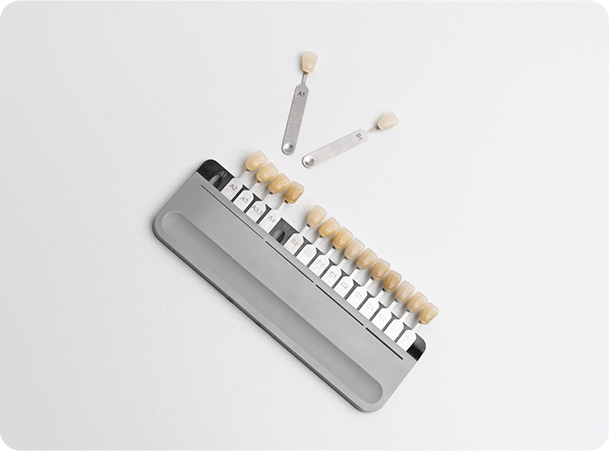
Porcelain veneers can alter the colour, shape, size and appearance of the teeth they cover. They may be suitable for certain types of discolouration, small chips, uneven edges and gaps between teeth.
They’re not a universal fix for every cosmetic concern, however. A stain, for instance, may respond to whitening, while a gap might be better addressed with orthodontic treatment or bonding. The distinction matters because the most suitable treatment depends on the underlying issue, not simply how it appears in the mirror.
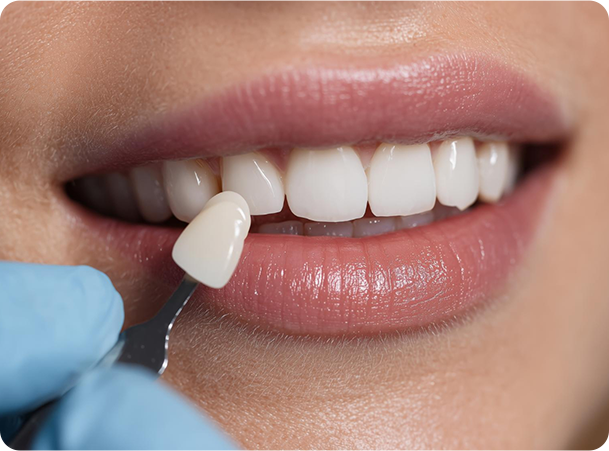
A veneer isn’t an off-the-shelf covering. Each one needs to be planned around the tooth it will cover, including its proportions, shade, surrounding teeth and relationship with the gum line.
During your consultation, we’ll discuss the changes you’re hoping to make and assess what’s possible given your existing teeth. Shape and colour are part of the conversation, but so are function, fit and the amount of natural tooth structure that can be retained.
The aim is to find an approach that suits your teeth and addresses your concerns, rather than choosing a look first and working backwards.
What Happens During Veneer Treatment?
Veneer treatment generally involves several stages. The precise process depends on your oral health, the number of teeth being treated and the preparation required.
- Consultation and assessment: We’ll examine your teeth and gums, discuss your concerns and explain the available treatment options.
- Preparing the teeth: Some enamel may need to be removed to make room for the veneers. This change is generally irreversible, so we’ll explain the extent of preparation involved before treatment begins.
- Taking impressions or scans: We’ll record the shape and position of the teeth to help guide the fabrication of your veneers.
- Fitting the veneers: Once they’re ready, we’ll check their fit and appearance before bonding them to the prepared teeth, as appropriate.
We’ll explain the anticipated appointments, treatment stages and fees beforehand, including whether temporary restorations may be needed along the way.
Are Veneers Suitable for Your Teeth?
The appearance of a tooth is only one part of the decision. Its underlying structure, the condition of the gums and the way your teeth meet all matter when planning veneers.
Teeth with extensive damage or decay may need a different type of restoration. Gum disease should be addressed before cosmetic treatment, and habits such as grinding or clenching can place additional stress on veneers.
That doesn’t automatically rule out treatment, but it does mean the details deserve attention. Depending on your circumstances, alternatives may include teeth whitening, dental bonding, orthodontic treatment or another restoration.
We’ll explain the options that may suit your situation, including their limitations, so you can weigh up the differences before committing to treatment.
Looking After Your Veneers
Porcelain can resist many everyday stains, but a veneer isn’t indestructible, and the natural tooth beneath it still needs care. The edges where a veneer meets a tooth also need to be kept clean.
A few everyday habits can help you look after both:
- Keep up with brushing and interdental cleaning. Use fluoride toothpaste and clean between your teeth daily to help protect the underlying teeth and gums.
- Don’t use your teeth as tools. Opening packaging or biting hard objects can damage natural teeth as well as veneers.
- Keep your dental examinations regular. These appointments allow us to check the veneers, the underlying teeth and the surrounding gums.
- Mention any grinding or clenching. Depending on your circumstances, a protective appliance may be recommended.
Veneers may remain serviceable for many years, but their lifespan varies. They can chip, crack, loosen or need replacement, so ongoing care remains important even after the cosmetic work is complete.
The Risks and Recovery to Understand Before a Veneer Treatment
Veneers can change the appearance of teeth, but it’s important to understand what the treatment asks of them in return. Preparing a tooth may involve permanently removing some enamel, and some people experience temporary sensitivity or gum tenderness afterwards.
Other possible complications include a veneer chipping, cracking or becoming detached. The underlying tooth can still develop decay, and the restoration may eventually need repair or replacement. The final appearance can also differ from expectations, which is why discussing your preferences and the limitations of treatment beforehand matters.
We’ll explain the risks relevant to your circumstances, what recovery may involve and whether another treatment could be more appropriate. You can also ask questions about maintenance and future repairs before deciding whether to proceed.
Understanding the Cost of Porcelain Veneers
The cost of veneers depends on how many teeth are being treated and what preparation or additional care may be needed. The proposed restorations and your individual treatment plan will determine the overall fees.
After assessing your teeth, we’ll provide a written treatment plan outlining the recommended treatment and associated costs. If you have private health insurance, you can check with your fund whether any benefits apply to your treatment. Our team can help clarify the information in your plan, while your fund can confirm the benefits available under your policy.
Porcelain Veneers in Alfredton and Ballarat
Veneers can change the appearance of teeth, but it’s important to understand what the treatment asks of them in return. Preparing a tooth may involve permanently removing some enamel, and some people experience temporary sensitivity or gum tenderness afterwards.
Other possible complications include a veneer chipping, cracking or becoming detached. The underlying tooth can still develop decay, and the restoration may eventually need repair or replacement. The final appearance can also differ from expectations, which is why discussing your preferences and the limitations of treatment beforehand matters.
We’ll explain the risks relevant to your circumstances, what recovery may involve and whether another treatment could be more appropriate. You can also ask questions about maintenance and future repairs before deciding whether to proceed.
Porcelain Veneers in Alfredton and Ballarat
Smile Studio Ballarat welcomes patients from Alfredton, Ballarat and surrounding suburbs who would like to explore their options for changing the appearance of their teeth. Whether you’re concerned about a chipped edge, uneven teeth or discolouration, a consultation can help establish what may be suitable for your oral health and circumstances.
Let's Talk About Your Options
You don’t need to arrive with a treatment plan already in mind. If you’re considering porcelain veneers, we’ll start by understanding what concerns you about your teeth, examine the area and explain the options that may be appropriate.
To arrange a consultation about porcelain veneers in Alfredton, call Smile Studio Ballarat on (03) 5337 6453 or book online.
Please ask about the risks, recovery, maintenance and possible need for future repairs before deciding whether to proceed. Suitability and treatment outcomes vary between individuals.

Frequent Questions
Can I choose the shade of my porcelain veneers?
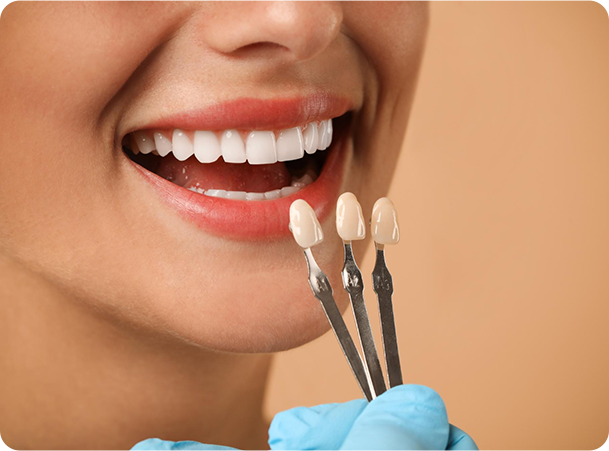
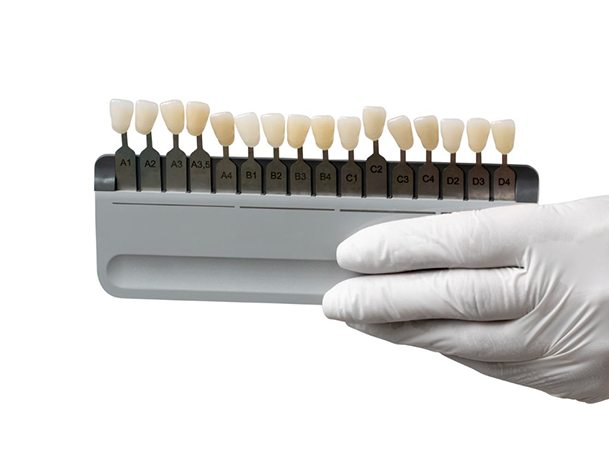
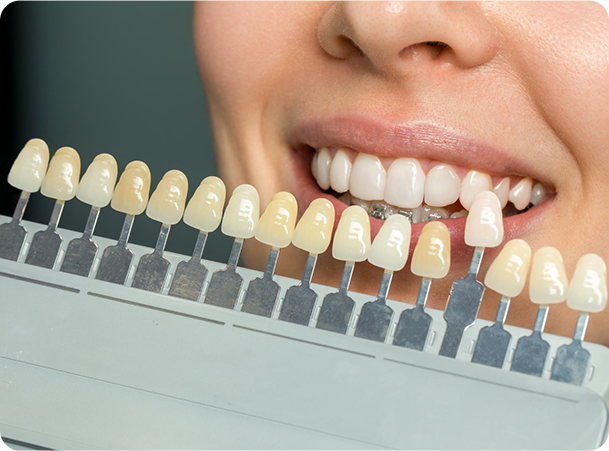
The shade is discussed during treatment planning, taking into account the surrounding teeth and the appearance you would like to achieve. Your dentist can explain the available options and their limitations before treatment begins.
Can I have a veneer on just one tooth?
A single veneer may be suitable when one tooth needs attention, but this depends on its condition and its relationship with neighbouring teeth. Matching the appearance of a single restoration with natural teeth can require careful planning.
Can porcelain veneers be whitened later?
Porcelain does not respond to conventional tooth-whitening treatments in the same way as natural teeth. If you are considering whitening, discuss it before veneer treatment, as whitening products cannot simply lighten the shade of an existing veneer.
Do I need to replace all my veneers at the same time?
Not necessarily. The condition of each veneer, the surrounding teeth and the overall treatment plan influence whether one or several restorations need attention. Your dentist can assess them individually and discuss the available options.
Can I get veneers if I already have crowns on other teeth?
Having crowns does not automatically rule out veneer treatment. However, your dentist will need to assess the condition of the crowned teeth, the surrounding natural teeth and how the proposed restorations may look together.
How do I know whether veneers are worth exploring?
Start with an examination and a discussion about the changes you have in mind. Your dentist can assess your oral health, explain the preparation involved and compare veneers with alternatives such as bonding or whitening, where appropriate. This can help you weigh up the options before making a decision.


